Guide · 8 April 2026
Why furniture gets damaged in the last fifty metres
Most furniture damage does not happen in transit. It happens at the door, on the stairs and in the lift. Here is why, and what prevents it.
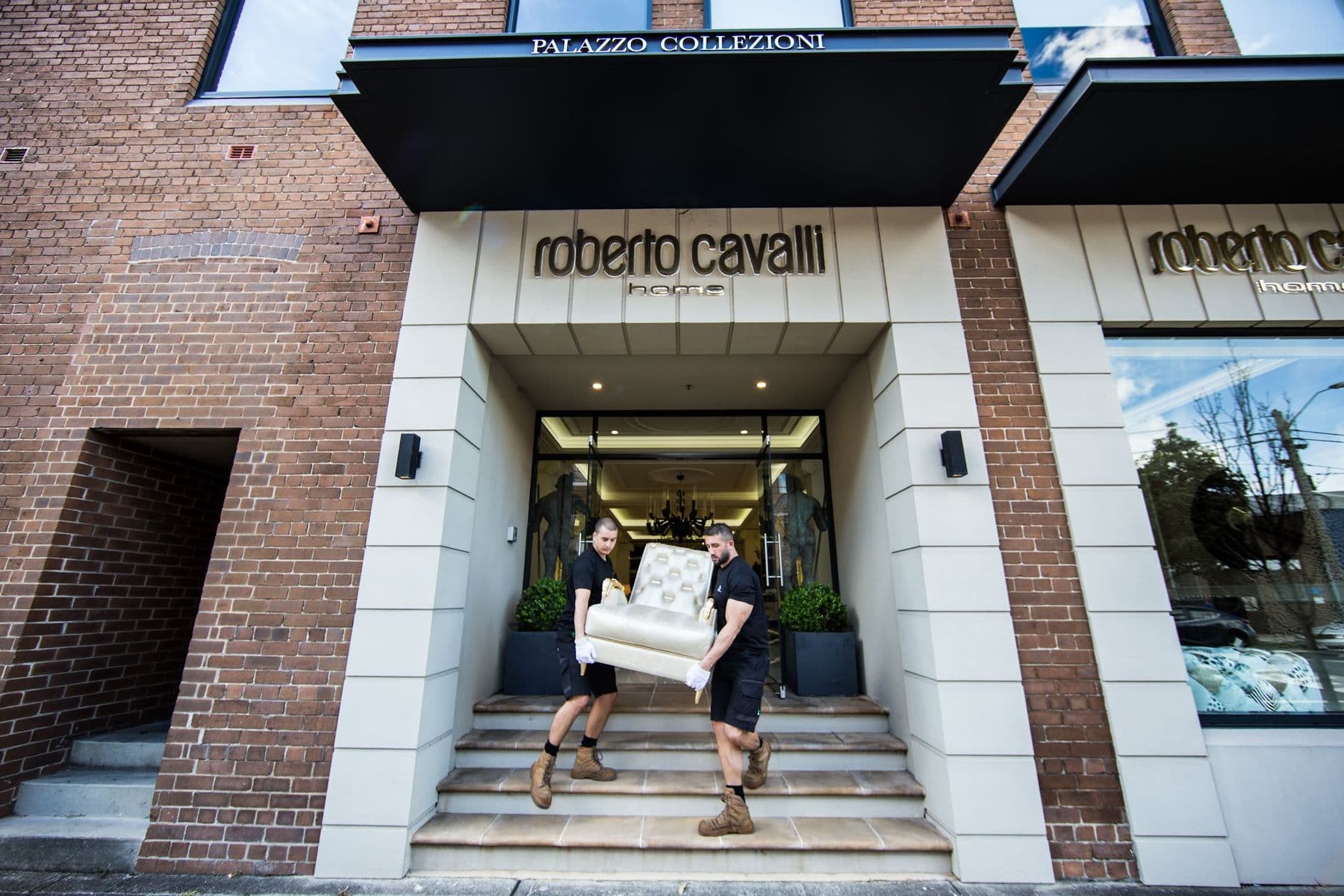
A piece of furniture can travel from Italy to Sydney, sit in a warehouse for two months and arrive in perfect condition. Then it gets damaged going through a doorway. That is not unusual. It is the norm.
Why the last fifty metres is the dangerous part
In transit the item is crated, strapped and immobile. Inside a building it is unwrapped, handled by people, tilted, turned and carried past surfaces that were not designed to have furniture carried past them.
Every risk factor concentrates in the final stage. Tight entries. Stair returns. Lift dimensions that look adequate until you factor in the diagonal. Floor protection that was not laid. Time pressure, because the team is running late.
What actually prevents it
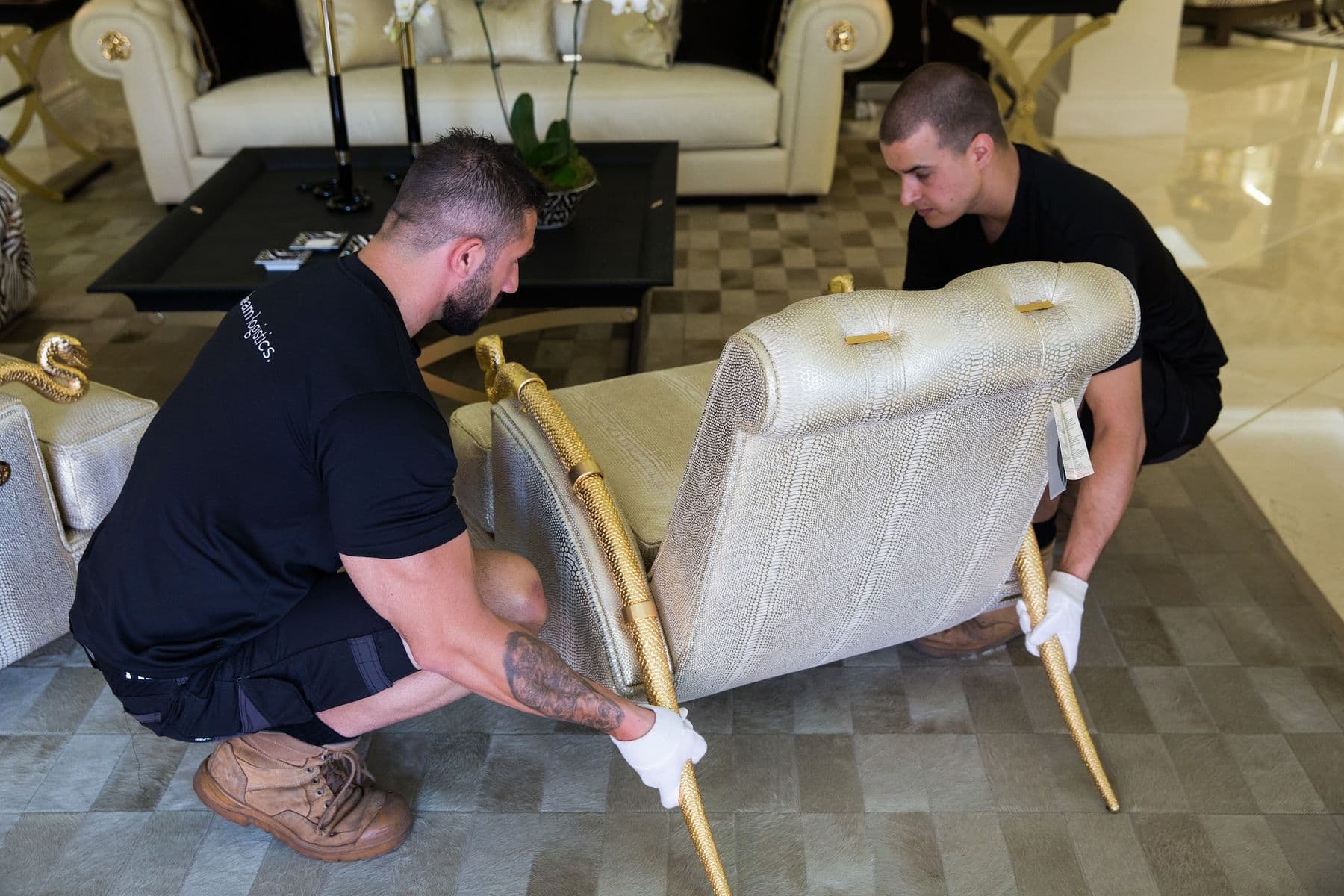
Access assessed before the day, not on arrival. Measurements of the entry, the tightest turn and the lift, checked against the piece rather than assumed.
A plan for the route through the building, including where protection is laid and where the piece gets set down if the team needs to reposition.
Teams who do this work specifically. A general removalist is competent at moving volume. Fragile and high value handling is a different skill and it is mostly about patience.
Enough time in the booking. Most damage is the result of a team trying to make up twenty minutes.
The test
If nobody has asked about access before the delivery day, the plan is improvisation.
Related services
Tell us what you need.
Every proposal starts with understanding your business: what you move, how much, how often.