Guide · 11 March 2026
What happens between the container and the showroom
Imported furniture needs unpacking, checking, recording and racking before it can be sold. Here is what receiving involves and why it is the step most brands underestimate.
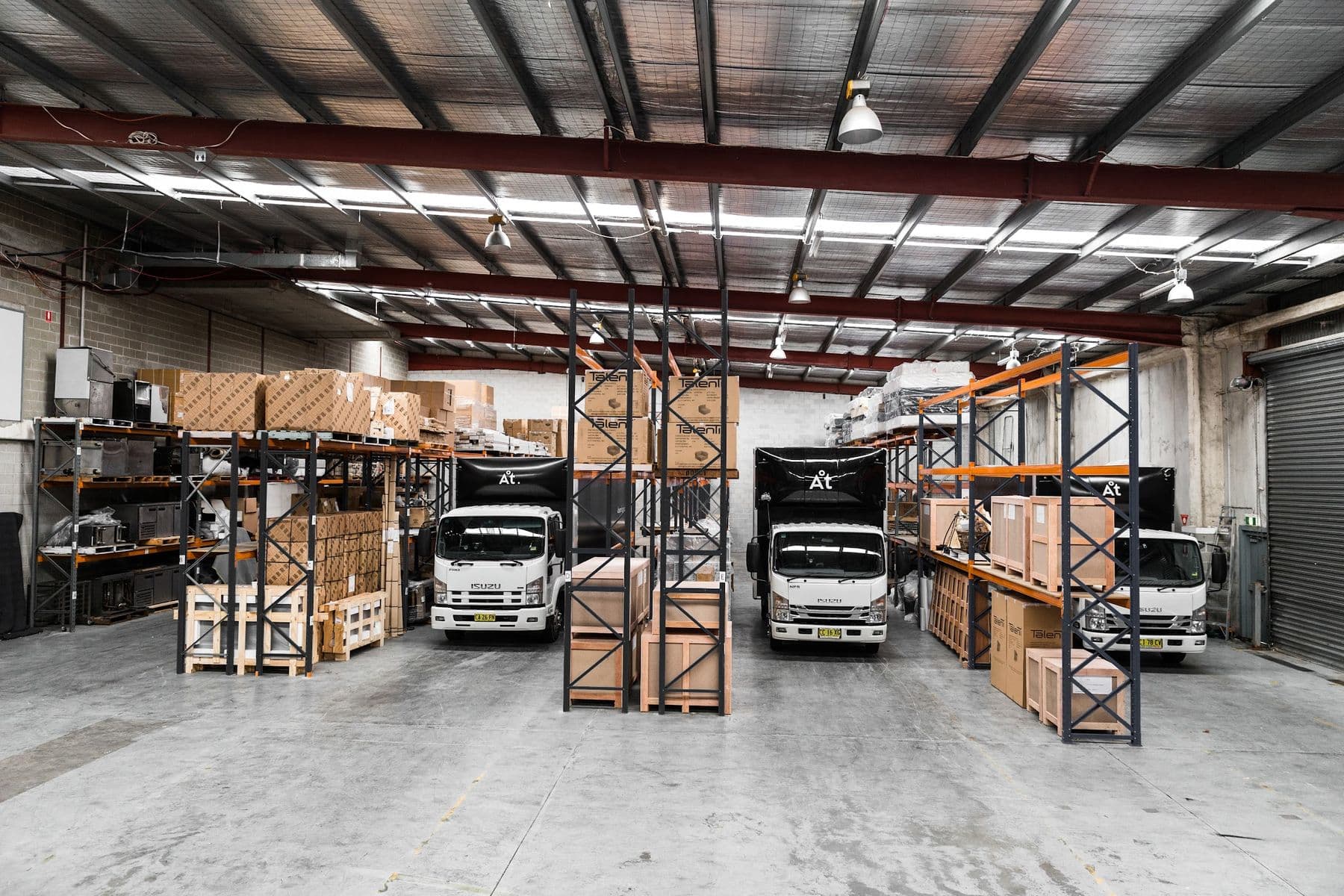
A container arrives. Inside it is stock a brand has already paid for, months ago, and cannot sell until someone unpacks it, checks it and puts it somewhere. That step is receiving, and it is where most of the risk in importing furniture sits.
What receiving involves
Unloading and de-crating. Counting against the packing list and flagging shortages immediately, because a claim raised three weeks later is a claim that gets argued. Condition checking each piece and photographing anything marked. Labelling and recording so the item can be found again. Racking it, ideally by SKU rather than by container.

Why brands get this wrong
The common approach is to have the container delivered to the showroom or a self storage unit and deal with it there. It works until volume grows. Then you have staff unpacking crates instead of selling, stock you cannot locate, and damage discovered at the point of delivery rather than the point of arrival.
Damage found at receiving is a supplier claim. The same damage found at delivery becomes a cost to you and a bad experience for your customer.
What good looks like
The container is unpacked at a facility that is set up for it, with dock access and racking height. Every piece is recorded on arrival. You get a report the same week, not a phone call when something is missing.
Then the stock sits until it is sold, and goes out from there.
Related services
Who it is for
Tell us what you need.
Every proposal starts with understanding your business: what you move, how much, how often.